
A new year brings renewed focus, fresh goals, and a chance to reset priorities. As we step into 2026, individuals, educators, and organizations alike are rethinking what it truly means to be prepared for success. While technical skills will continue to evolve, one thing remains constant: soft skills are the foundation that allows people to adapt, collaborate, and thrive.
This year, instead of focusing solely on traditional resolutions, it’s time to prioritize a new kind of skill set that supports long-term growth and resiliency.
Why Soft Skills Should Be a 2026 Priority

The pace of change in education and the workplace has never been faster. Automation, artificial intelligence, and shifting job demands have elevated the importance of human skills. Communication, emotional intelligence, and adaptability are now essential skills. Soft skills empower individuals to navigate uncertainty and help educators prepare students for real-world success.
5 Soft Skills to Prioritize in the New Year
1. Communication
Clear, respectful, and effective communication remains at the heart of every successful interaction. In 2026, this includes not only speaking and writing, but also active listening, teamwork, and digital communication skills.
2. Resiliency
Change is inevitable. The ability to adjust, learn from setbacks, and remain flexible will continue to define success in both educational and professional settings.

3. Emotional Intelligence
Understanding one’s own emotions, as well as the emotions of others, supports stronger relationships, better leadership, and healthier learning and work environments.
4. Critical Thinking/Problem-Solving
As information becomes more accessible, the ability to analyze, evaluate, and apply knowledge is more valuable than ever. These skills help individuals make informed decisions and navigate complex challenges.
5. Self-Management
Goal setting, time management, and personal responsibility support independence and long-term achievement. These are key skills for both students and professionals.
Soft Skills as Resolutions
For individuals, prioritizing soft skills means committing to personal growth and seeking feedback, practicing communication, and embracing continuous learning.
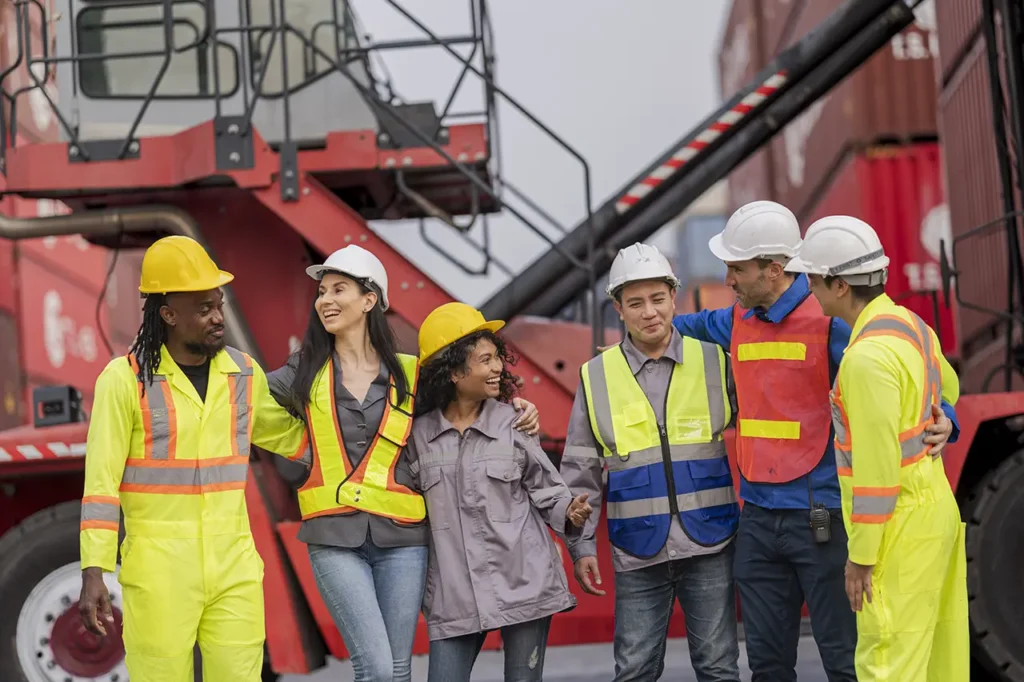
For educators, it means intentionally including soft skills in instruction, assessment, and classroom culture to prepare learners for life beyond academics.
For organizations, it means fostering environments where soft skills are modeled, valued, and developed through training, leadership, and workplace culture.
Looking Ahead to 2026
A new year is more than a fresh start. It’s an opportunity to redefine what success looks like. By treating soft skills as essential resolutions rather than secondary traits, we can create stronger individuals, more effective learning environments, and resilient organizations.